There comes a point when the friction you’ve been quietly working around becomes impossible to ignore. Processes that once felt manageable suddenly feel heavy. Small inefficiencies stack up. And client booking is often one of the first places businesses feel the strain.
One day you find yourself spending more time coordinating appointments than delivering your services. You feel tethered to your inbox. You’re checking and double-checking calendars just to be safe. You make it work, until making it work becomes the work.
If you’ve been questioning whether your appointment booking system is still serving your business, these are the signs that can help you see where things are breaking down and whether it’s time for a change.
1. You spend more time scheduling than doing the work you’re paid for
When booking, rescheduling, and confirming appointments starts to compete with actual client work, something is out of balance.
This often shows up as:
Long email or text chains just to find a time that works
Frequent interruptions to answer availability questions
“Quick” scheduling tasks that quietly take over your day
Scheduling should support your work, not pull you away from it. If it regularly eats into billable or focused time, it’s a sign your booking system isn’t built to handle your current volume.
2. You rely on back and forth to book even the simplest appointments
Back-and-forth communication feels manageable when volume is low. As demand grows, it becomes a bottleneck.
If every booking requires multiple messages to confirm availability, clarify services, or align expectations, your scheduling process is slowing down both you and your clients. This friction can lead to delayed bookings, abandoned inquiries, and a less professional experience overall.
A strong appointment scheduling system reduces conversation where it’s unnecessary, while still leaving room for personal connection where it matters.
3. Double-bookings or calendar mistakes keep happening
The occasional error happens. Repeated errors point to a system that can’t keep up.
If you’re regularly dealing with overlapping appointments, missed buffers, or availability conflicts, it usually means your system can’t reliably manage complexity anymore. This is especially common when businesses grow beyond a single service or a single calendar.
Calendar mistakes erode trust quickly. Clients remember when their time is mishandled, even if it was unintentional. A reliable booking system should prevent these issues by design, not rely on you to catch them in time.
4. Clients can’t book when they’re ready
Many clients book outside of traditional business hours. They browse late at night, between meetings, or during weekends. If booking an appointment requires your direct involvement every time, opportunities slip by without you ever seeing them.
This is one of the most invisible scheduling problems. You don’t see the appointments that never get booked. But limited access and delayed responses can slow growth and frustrate prospective clients. If they can’t book the moment they’re ready, they may postpone, forget, or choose another provider entirely.
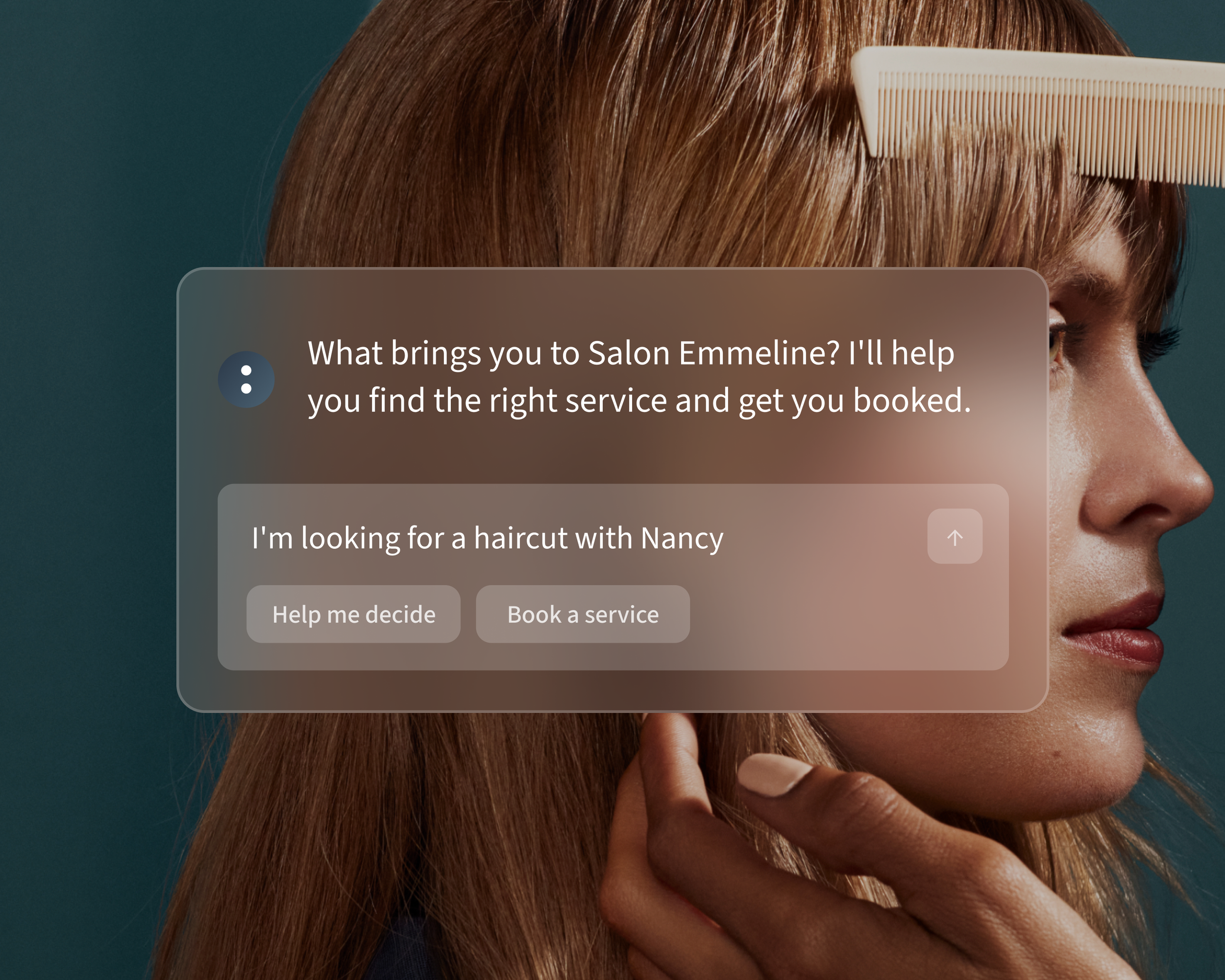
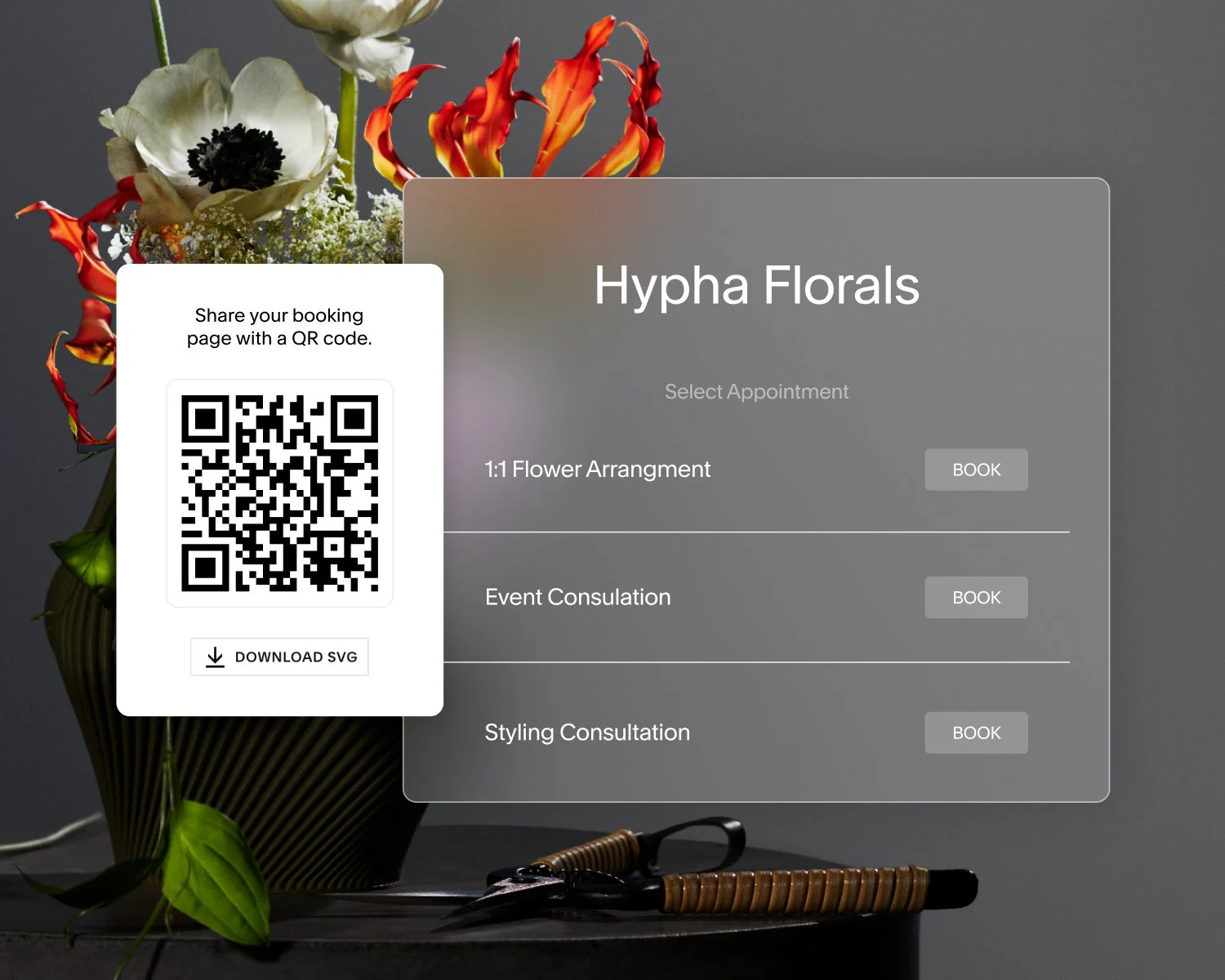
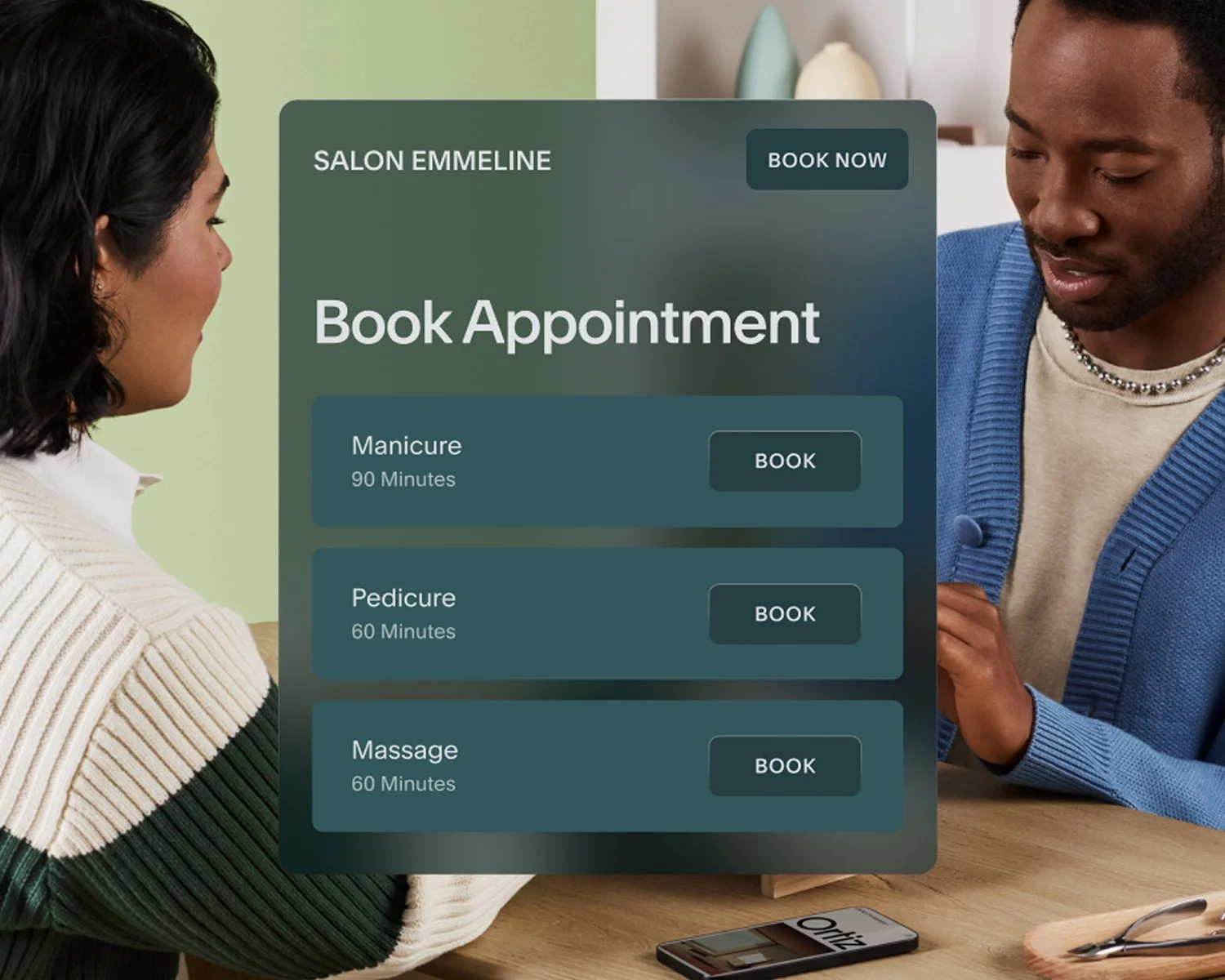
An online booking system allows clients to schedule when they’re ready, without waiting on a response. By offering self-serve scheduling, you can meet clients where they are, turning interest into confirmed appointments without adding more to your plate.
5. You scheduling and payment software applications are disconnected
If you offer a paid service or sell your time, scheduling and payments should work together seamlessly. Every appointment should have a clear financial outcome attached to it, whether that payment happens before, during, or after the session.
When scheduling lives in one system and payments live in another, friction creeps in:
You manually match payments to appointments
You spend time reconciling records and following up on unpaid sessions
Revenue is less predictable and harder to track
Disconnected tools force you to manage the relationship between bookings and payments yourself. An integrated system supports the full client lifecycle while reducing administrative work, preventing no-shows, and keeping revenue stable.
6. Appointment reminders are inconsistent or manual
Missed appointments are rarely about unreliable clients. More often, they’re the result of inconsistent reminders.
If you’re sending appointment reminders manually, relying on memory, or skipping them altogether when things get busy, you’re putting unnecessary strain on your schedule. Automated reminders protect your time and your income, while also improving the client experience.
When appointment reminders feel like an extra task instead of a built-in safeguard, your scheduling system is falling short.
7. Your schedule lives in too many places
Paper calendars, spreadsheets, personal calendars, inboxes, notes apps. When scheduling information is scattered, mistakes become more likely and stress becomes constant.
Fragmentation happens gradually. You add more and more workarounds until there isn't a single place that reflects the full picture of your availability. At that point, scheduling decisions require mental gymnastics just to stay accurate.
A clear, centralized scheduling system reduces cognitive load and makes it easier to trust your calendar again.
8. Rescheduling feels disruptive instead of routine
Reschedules are part of running a service business. When they cause outsized disruption, it’s usually because the system handling them is too manual.
If rescheduling means:
Long email threads
Missed calls and unanswered voicemails
Manually updating multiple calendars
Reconfirming details with clients
then flexibility becomes costly. A strong scheduling system should make it easy to reschedule an appointment, without creating confusion or uncertainty.
9. Your current booking software no longer reflects how your business actually runs
Many businesses start with simple tools and outgrow them quietly.
You might notice this when:
Services don’t fit neatly into preset options
Availability rules require constant exceptions
Team members, locations, or hybrid services feel hard to manage
When your client scheduling software forces you to adapt your business to its limitations, instead of adapting to how your business operates, it’s a clear signal that you’ve outgrown it.
10. Scheduling stress follows you outside of work hours
This is often the most telling sign.
If you’re constantly thinking about your schedule, checking messages after hours, or worrying about whether everything is set up correctly, scheduling is taking up more mental space than it should. Even when nothing is actively wrong, the background stress makes a big impact on how you show up and run your business.
A well-designed scheduling system gives you confidence that things are running smoothly, even when you’re not actively managing them.
What to do if these signs feel familiar
Seeing yourself in one or two of these signs is common. Seeing yourself in several likely means your booking system hasn’t kept pace with your business. It’s time for an upgrade.
Your best-fit scheduling system supports how you work today and where you want to go next. That includes automation where it helps, flexibility where you need it, and tools that stay out of your way once they’re set up.
If you want to see what that looks like in practice, Acuity Scheduling helps businesses manage bookings, payments, and client communications in one place. It’s flexible appointment scheduling software designed to scale with you, not one you’ll outgrow.
Try Acuity for free to see how it fits your workflow.